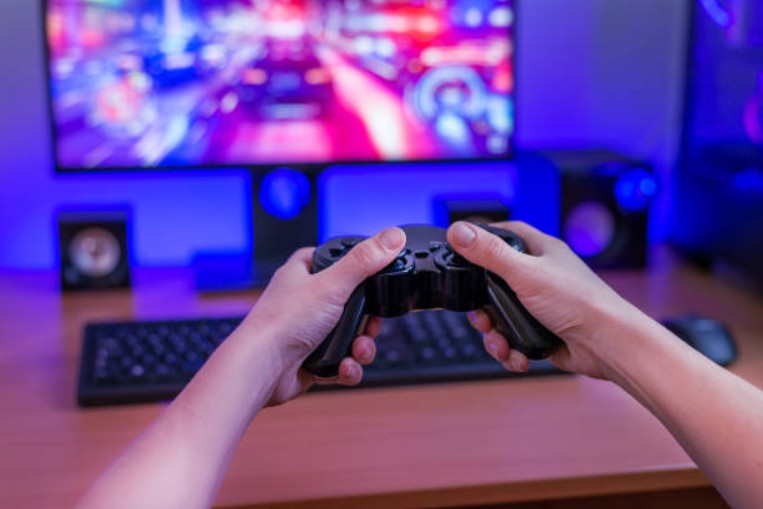
Why does online gaming feel so much more alive than most other digital media?
The short answer is that it reacts to you. A video, article, or song stays the same each time you return to it, but an online game changes with your decisions, timing, and the people around you. That constant reaction makes the experience feel less like watching a screen and more like sharing a space with other people.
Even when the graphics are simple, the moment-to-moment activity can feel vivid because something is always happening in response to your actions. That sense of motion, tension, and social feedback gives online gaming a kind of energy many forms of digital media cannot match.
Real-Time Feedback Makes Everything Feel Immediate
Online gaming creates a fast loop between action and reaction. You press a key, move a character, make a choice, and the game answers right away. That immediate response keeps the brain alert because the experience is not passive. You are not just consuming content. You are affecting it.
Small Actions Carry Real Weight
Even small choices can matter in a match, raid, or team mission. A timed move, a careful retreat, or a quick decision can change the result. That kind of cause and effect makes each moment feel important, even during short sessions.
That is also why players often feel more connected to their own success or failure in a game than in a movie or show. The result is tied to their input, so the experience feels personal in a way many digital media formats do not.
Other People Add Unpredictable Energy
Human interaction is a huge part of why online games feel alive. Real players do not behave like scripts. They surprise you, adapt, make mistakes, and create moments that no one planned in advance. That unpredictability gives matches and shared spaces a human pulse.
In some communities, players even form habits, slang, and local customs around the way they play. A simple match can become memorable because of the people in it, not just the rules on screen. If you have ever seen a group rally at the last second or collapse under pressure, you know how quickly a game can turn into a shared story. That is one reason some people look up spaces like 899sports to see how online play can create social momentum around competition and timing.
Spontaneous Moments Feel Hard To Predict
A funny mistake, a lucky escape, or a sudden comeback can happen without warning. Those moments feel alive because they are unscripted. They do not arrive on a fixed track like most streaming media. They happen because real people are interacting in real time.
Progress Feels Earned, Not Just Watched
Another reason online gaming feels so active is that progress is visible. You start weak, learn the rules, improve your timing, and gradually do things that once felt impossible. That learning process gives the medium a strong sense of movement.
Unlike passive media, where you finish a piece and move on, games often leave a record of growth. New skills, better reactions, and smarter choices all build on each other. The feeling of improvement makes the experience feel lived in, not just consumed.
Feedback Builds Confidence Over Time
Games also tend to reward practice with clear results. You can see that your decisions matter more as you get better. That visible progress is part of what keeps the medium feeling active, because you are not only watching outcomes. You are shaping them.
Some players even track trends, timing, and patterns with the same attention they would use for any competitive system. In spaces where terms like slot gacor are used, the appeal often comes from reading patterns and reacting quickly, which is another sign of how interactive digital play can feel compared with static media.
Final Thoughts
Online games also feel alive because several senses are being used at once. Sound cues, visual movement, score changes, and social messages all arrive together. That layered input makes the experience feel busy in a good way. More importantly, you are deciding how to respond to all of it. That mix of sensory feedback and personal choice creates a strong sense of presence. You are not watching someone else move through a story. You are in the middle of a system that reacts to you, other players, and the moment itself. That is why online gaming often feels more alive than most digital media. It is active, social, and reactive all at once, and that combination gives it a level of energy that is hard to ignore.